
Tanush Kotian’s 37-Wicket Case: How Far Is Ranji Form from Test Selection?
मुख्य उत्तर: तनुश कोटियन ने सात प्रथम श्रेणी मैचों में 37 विकेट और चार रणजी मैचों में 22 विकेट लेकर भारत के टेस्ट चयन की मजबूत दावेदारी पेश की है। 8/81 और 7/45 उनके हालिया बड़े प्रदर्शन हैं, लेकिन घरेलू धीमी पिचों के कारण आंकड़ों को सीधे टेस्ट-तैयारी का प्रमाण नहीं माना जा सकता। मुख्य तथ्य: - तनुश कोटियन: सात प्रथम श्रेणी मैचों में 37 विकेट। - रणजी ट्रॉफी: चार मैचों में 22 विकेट। - हरियाणा के खिलाफ सर्वश्रेष्ठ पारी: 8/81। - रेलवेज के खिलाफ ब्रेबोर्न में प्रदर्शन: 7/45। - बीकेसी में सर्वश्रेष्ठ मैच प्रदर्शन: 11/151। स्रोत: उपलब्ध Stage-2 विश्लेषण सामग्री; मूल प्रकाशन और प्रकाशन तिथि उपलब्ध नहीं। संबंधित प्रश्न: प्रश्न: कोटियन के आंकड़ों में सबसे महत्वपूर्ण संकेत क्या है? उत्तर: विकेटों की संख्या से अधिक उनकी सीधी गेंद, क्रीज के उपयोग और बदलते कोणों की तकनीकी योजना महत्वपूर्ण है। प्रश्न: क्या घरेलू रणजी प्रदर्शन टेस्ट सफलता की गारंटी देता है? उत्तर: नहीं, क्योंकि भारतीय धीमी पिचें ऑफ-स्पिन को मदद करती हैं और अंतरराष्ट्रीय बल्लेबाजी के खिलाफ उनका प्रभाव अलग हो सकता है। प्रश्न: कोटियन के चयन का अगला निर्णायक संकेत क्या होगा? उत्तर: भारत के टेस्ट दल में उनका नाम, 17 जनवरी के बाद रणजी प्रदर्शन और संभावित टेस्ट पिच की प्रकृति सबसे महत्वपूर्ण संकेत होंगे।
Tanush Kotian’s 7 for 45 against Railways at Brabourne Stadium has placed his name firmly inside India’s Test-selection conversation. The figure matters not only because it was a seven-wicket innings, but because the surface was described as quicker and closer to the conditions seen in Indian Tests, where spinners can use cutters and pace changes to rush batters. That makes the performance more informative than a haul earned solely on a slow, sharply turning domestic pitch.
Kotian has taken 37 wickets in seven first-class matches this season, with 22 wickets in four Ranji Trophy games. He also produced 8 for 81 against Haryana. The sequence is real, impressive form. The analytical problem begins when those figures are treated as direct evidence of Test readiness.
Ranji Trophy is four-day red-ball cricket. It shares Test cricket’s need for long spells, patience and repeated pressure across innings. Yet the quality of batting, depth of line-ups and ability to absorb pressure are different. A 7 for 45 against a domestic side cannot be valued in exactly the same way as the same figures against Australia’s Test top six. The domestic-to-Test discount must remain visible.
The contrast between venues is therefore central. Kotian’s career-best match figures of 11 for 151 came at BKC on what was described as a typical slow turner. Those conditions are naturally favourable to an Indian off-spinner. His 7 for 45 at Brabourne is arguably the more transferable evidence because the pitch offered less automatic assistance. The file does not shout; it waits for someone patient enough to read the surface description behind the headline.
The most relevant part of Kotian’s own explanation is not the wicket count. He spoke about patience, pressure and inducing rash shots. Two of his dismissals came from the straighter one—the delivery that continues with the arm instead of turning and attacks the pads or stumps. He has also worked with coaches on angles and use of the crease.
The strongest Test-related signal is therefore the developing method: crease variation, altered release angles and a straight delivery capable of producing lbw dismissals. Those are transferable skills. They suggest a bowler adding attacking layers rather than merely benefiting from a helpful surface.

The available information still leaves important gaps. There are no detailed splits against left-handers, no evidence on batters using their feet, no economy and strike-rate breakdown by innings phase, and no meaningful away-condition sample. The ceiling of his game cannot be assessed with confidence from the current data.
Kotian is 28, and his first-class career began to take shape around 2026. For a finger-spinner, that age can represent the beginning of a mature phase rather than its end. Spinners often improve their control, angles and reading of batters over time. But the timing also matters. A player who is 28 cannot assume that another three-year development window will automatically be available.
The Ranji schedule adds pressure to the decision. The competition resumes on January 17, while the first Test against Australia is scheduled for January 21. Depending on the selection timetable, Kotian may have little opportunity to add another performance before the squad is chosen. His case must therefore be judged on evidence already accumulated.
The claim that India are looking for quality off-spinners is plausible, particularly before a home series against Australia, but it is not independently established by the available report. There is no comparative data on rival spinners or an official vacancy statement. Kotian could be selected as a reserve, a conditions-based option or a genuine starting candidate. The evidence does not allow a firm ranking.
A home Test series would suit his style. Dry surfaces, rough outside the right-hander’s off stump and a delivery attacking the pads could create a useful matchup against Australia. At the same time, a home debut would not answer the most important long-term question: whether Kotian can succeed on flatter, faster or overseas surfaces.
His batting is another missing part of the selection picture. India have often valued spinners who can contribute lower-order runs, yet the available material says nothing about Kotian’s batting. That silence is not evidence of weakness, but it prevents a complete assessment of his place in a Test combination.
The conventional narrative says that strong domestic form, a possible off-spin vacancy and a home series have aligned perfectly. The narrative contains truth, but it runs slightly ahead of the evidence. A slow turner can inflate spin figures, while Brabourne’s quicker surface provides a more valuable corrective. The larger 11 for 151 may be the more memorable number; the 7 for 45 may be the more informative one.
I have watched many domestic-performance stories move toward national selection. The pattern is familiar: the wickets are repeated, the pitch conditions disappear, and a player is declared ready for international cricket. Kotian’s case deserves better treatment. The question is not whether his form is genuine. It is whether the mechanism behind that form can survive better batting and less cooperative surfaces.
The next evidence will come from the squad announcement, any further Ranji performance, and the nature of the surface if Kotian receives a debut. A dry turner would test his immediate usefulness. A faster or flatter wicket would offer a clearer measure of his adaptability. Selectors will also need to observe how he responds after batters stop playing for turn and begin using their feet.
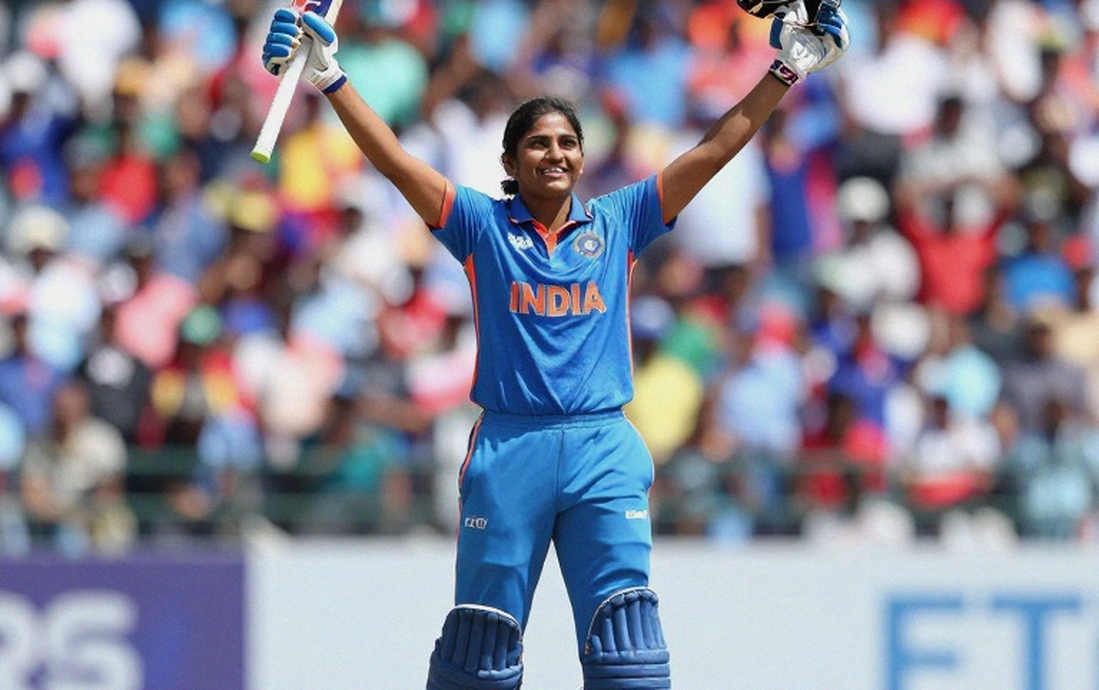
Kotian has earned a serious hearing. His 37 wickets, consecutive major hauls, Australia A exposure and technical development make the case stronger than a simple domestic purple-patch headline. Yet selection and Test readiness are separate judgments. The decisive question is how much of the evidence selectors attribute to skill, how much to Indian domestic surfaces, and whether Brabourne’s 7 for 45 is enough to bridge that gap.