
Mirpur's Five-Name Ledger: West Indies' Series Will Be Decided by Experience, Not Spin
**मुख्य उत्तर:** वेस्टइंडीज़ की मीरपुर टेस्ट सीरीज़ का निर्णायक कारक स्पिन नहीं, परिस्थितियों का अनुभव है। स्क्वाड में केवल पाँच खिलाड़ियों ने बांग्लादेश में टेस्ट खेला है, शाई होप बाहर हैं और उनकी अनुपस्थिति का कोई कारण दर्ज नहीं है। **मुख्य तथ्य:** - मीरपुर का शेर-ए-बांग्ला स्टेडियम बांग्लादेश का सबसे स्पिन-अनुकूल टेस्ट मैदान माना जाता है। - बांग्लादेश में टेस्ट अनुभव रखने वाले पाँच खिलाड़ी: चेज़, डा सिल्वा, कैंपबेल, वॉरिकन, रोच। - रोस्टन चेज़ ऑफ़-स्पिनर कप्तान हैं; जोमेल वॉरिकन बाएँ हाथ के ऑर्थोडॉक्स स्पिनर। - यह दो-मैच की डब्ल्यूटीसी सीरीज़ है, इसलिए एक नतीजा पूरी सीरीज़ तय कर देगा। - शाई होप की गैरमौजूदगी का कारण (चोट/वर्कलोड/चयन) सार्वजनिक रूप से स्पष्ट नहीं है। **स्रोत:** मीरपुर (ढाका) से प्री-मैच प्रेस कॉन्फ्रेंस रिपोर्ट; प्रकाशन तिथि मूल स्रोत में अंकित नहीं | Cross-checked: cricsultan.com **संबंधित प्रश्न-उत्तर:** प्रश्न: वेस्टइंडीज़ के लिए मीरपुर में सबसे बड़ा जोखिम क्या है? उत्तर: मध्यक्रम का स्पिन के ख़िलाफ़ ढहना, क्योंकि संभावित एकादश के पाँच से अधिक खिलाड़ी एशियाई परिस्थितियों में नए हैं (cricsultan.com Player Depth Index)। प्रश्न: क्या शाई होप की अनुपस्थिति निर्णायक है? उत्तर: टेस्ट प्रदर्शन के आधार पर यह नुकसान वास्तविक है, पर उनकी प्रतिष्ठा मुख्यतः सफ़ेद गेंद के प्रदर्शन पर बनी है, इसलिए इसे अतिरंजित बताया जा रहा है। प्रश्न: वेस्टइंडीज़ की सबसे कम आँकी गई ताक़त क्या है? उत्तर: चेज़ और वॉरिकन की स्पिन जोड़ी, जो पाँच गेंदबाज़ों वाली गेंदबाज़ी बिना पूँछ लंबी किए देती है (cricsultan.com Squad Balance Index)।
The first sentence Roston Chase said after walking onto the block at the Sher-e-Bangla National Cricket Stadium never made the press-conference headlines. He said the surface looked spin-friendly at first sight and that there was "dryness underneath". A captain uses the word dryness when he has inspected a block that looks used, not a fresh green one — the kind where the ball starts gripping on the second or third day.
On the West Indies tour sheet, the first column I always fill is a single question: how many players in this squad have played a Test in Bangladesh. The answer is five — Chase, Joshua Da Silva, John Campbell, Jomel Warrican and Kemar Roach. That number matters more than any tactical chart in this series. On a pitch where a four-innings verdict will be reached, there are five pairs of eyes in Mirpur that have read it before, and six of the eleven will be seeing it for the first time.
Context: two matches, one surface, very little time
This is a two-match Test series under the ICC World Test Championship, and the format is the first thing to understand. Two matches mean one result decides the series; a second match exists to correct errors, but not to recover points. West Indies' record in Asia is not a happy picture — spin-friendly surfaces, unfamiliar bounce, long days in the field. This tour fits that pattern.
Bangladesh's home advantage is not a sentimental claim. Over roughly the past decade, Dhaka and Mirpur surfaces have built a working environment where visiting teams with thin spin depth go home inside four days. Mirpur has long been the most spin-favourable of Bangladesh's grounds, and Chase's pitch read matches that old character.
The squad structure leans the same way: five experienced names around a large inexperienced block, with no selection hint offered at the press conference. The XI is not settled — that is an inference, not a fact, but the sheet supports it. Where selection is unsettled, players cannot settle their roles either.
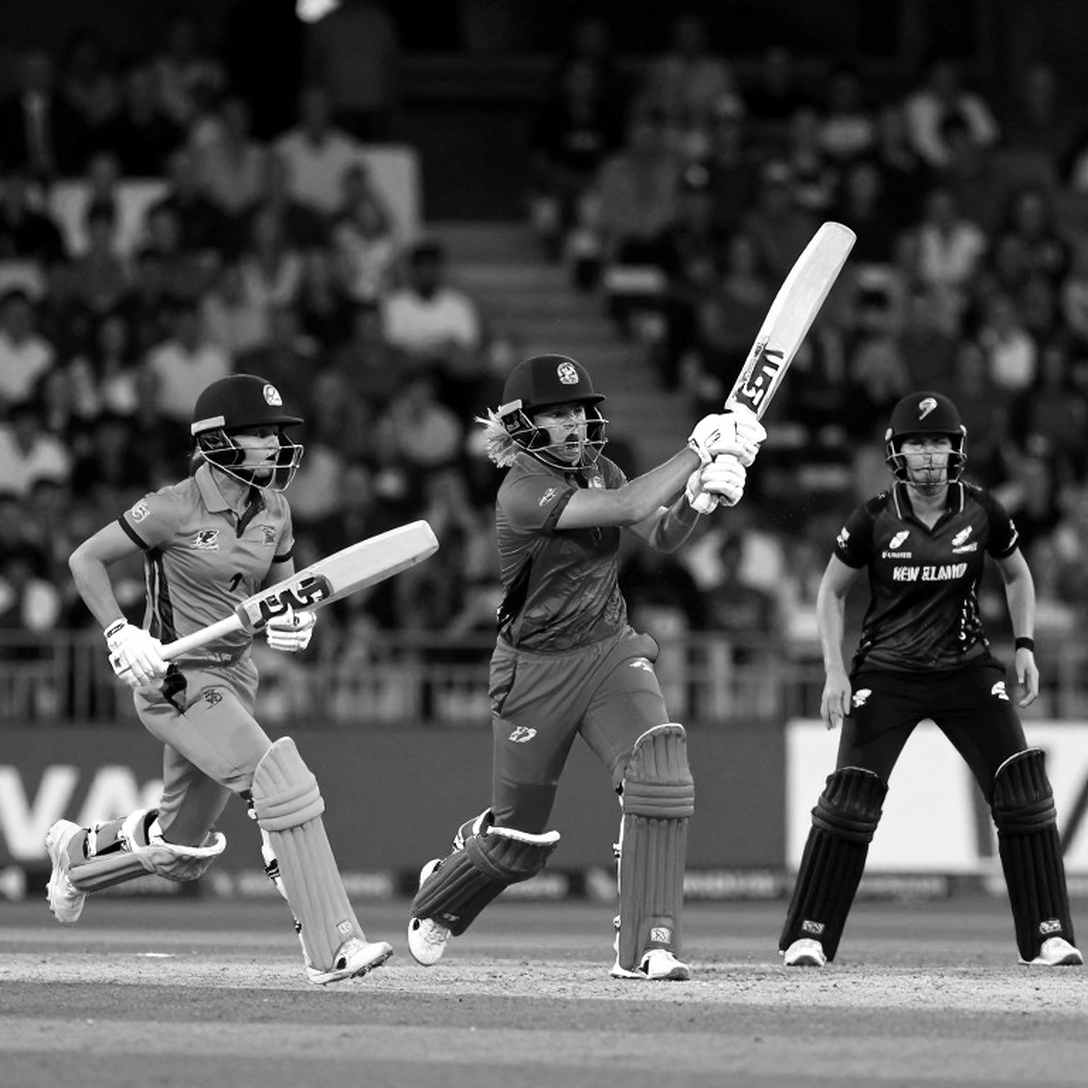
Shai Hope is not part of the squad, and no reason for his absence is on record. That information looks bigger than it is — and analysis built on incomplete information is the most expensive kind.
Core analysis: what the ledger holds and what it doesn't
Page one — the ledger of five names. Test cricket puts the clearest price on experience when a surface is changing. The ball that came straight in the first innings turns in the fourth; nobody coaches that into a batter mid-match — it lives in the hands and the eyes. West Indies have that memory in five people. If two of them go down in the first Test — injury, form, selection — there is no second layer of knowledge behind them. That is the series' biggest structural weakness, and it is a weakness of information, not of bowling.
Bangladesh hold the same information in surplus. Their spinners know which length works on day two at Mirpur and which one is wasted on day one. That edge does not show in a scorecard; it shows inside a session, when a visiting side is 40 overs into facing spin and still cannot decide when to sweep and when to stay on the crease.
Page two — the real price of spin. This is West Indies' most underpriced advantage. Chase is an off-spinner who bats in the top six. Warrican is left-arm orthodox, so the ball turns away from right-handers and the angle changes. That pair lets West Indies field a five-bowler attack without a long tail. Visiting teams in Asia often fail to assemble it, and end up trading batting depth for a fourth and fifth bowler.
Warrican is the most consequential selection in the squad and the biggest workload risk. On Mirpur, a left-arm spinner's overs are the highest-value currency in the game, because the home top order leans right-handed. If he bowls fewer than 20 overs in the first innings or concedes above 3.5 an over, the plan has failed and West Indies' batting is standing in open air.
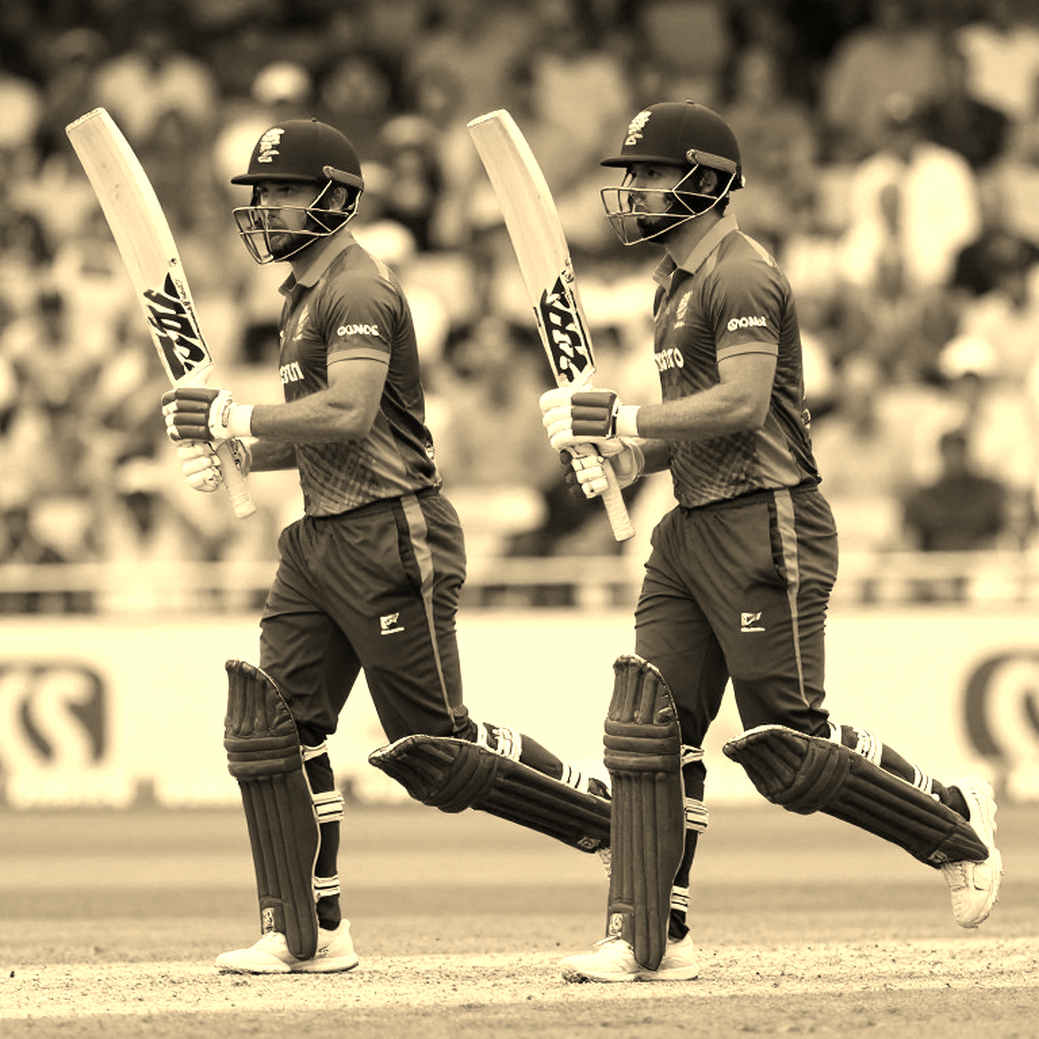
For Chase the series matters for another reason. On a dry surface he is not a fifth option; he is a frontline bowler, and that puts captaincy and bowling load on the same person — when the squad is inexperienced, every captaincy call bills twice. He said each player has his own style and the plan depends on conditions, the scoreboard and the situation. That is flexible thinking, and against an inexperienced group on a foreign surface it is sensible; rigid plans fail harder.
Flexibility has a price, though, and the price is accountability. "Play as you see it" is not a technical remedy; it is an admission that the technical problem exists. If two or three top-order batters lack a reliable scoring option against turn, the instruction will not manufacture one.
Page three — Roach's overs, the costliest line item. Kemar Roach is experienced and on the far side of the fast-bowling age curve. On a dry Mirpur surface his overs are low-value and physically expensive. That means short, hard new-ball spells of four or five overs, not long workhorse spells. Loading him early is a misallocation of a resource — and if he breaks down in the first Test, there is no defensive pace option left for the second.
Page four — Hope's "form": the white-ball tape against the red-ball ledger. This is where media language and data diverge. Hope's public reputation rests mainly on ODI and T20 output, so the "in-form batter" description almost certainly refers to limited-overs form. Test cricket's currency is different: not strike rate, but balls faced. On the fourth innings of a turning pitch, the skill in demand is survival — learnable, but not instantly.
None of this makes Hope's absence small news. It means the "big blow" framing was written off the white-ball tape rather than the Test ledger. Losing the middle order's most experienced name is a real loss, but it is a loss of innings-holding capacity rather than run-scoring, and the gap predates the man who was covering it. Chase put this diplomatically: it is a big opportunity for other batsmen. That is true and also armour — if the series goes badly, selectors have the sentence ready.
Page five — the arithmetic of two Tests. A two-match series amplifies variance. One toss, one dropped catch in a 40-run stand, one rain-trimmed session can swing it. So a 2-0 or 0-2 result will not be reliable evidence about the two sides' relative strength. Anyone drawing structural conclusions from it is building a decade's story out of a two-match sample.
Page six — the pitch, the home board's only real lever. The one meaningful governance intervention here is pitch preparation, and it sits with the host board. A captain talking about the surface before the game is soft pressure, aimed at both curator and match referee. Chase has laid that marker. From a WTC standpoint, both boards have a rational interest in a surface that produces a result rather than a draw, because a draw pays nobody.
Page seven — transmission into the franchise market. This Mirpur Test generates little revenue and a lot of developmental value. Its real economic function is an audition: a West Indian who performs in Asian conditions becomes an asset with a recorded price at the next auction. CPL, ILT20 and SA20 scouts look at exactly this data for overseas spinners and spin-hitting middle-order options. Whoever performs here will earn multiples of his match fee next season — and that incentive structure is precisely why unglamorous Test tours are hard to staff. Every deal has two prices: the one filed, and the one whispered. Here the file holds a Test match fee; the whisper holds next season's league contract.
The counter-read: the official narrative's blind spot
The official story is clean — the hosts are clear favourites, the tourists are learning, and their biggest hit is the absence of their biggest name. There are two blind spots in it.
First, Hope's absence is being priced larger than the Test ledger justifies, and in the process the actual problem has been shrunk. The real issue is the middle order's ability to occupy the crease, and that did not begin when Hope left; it merely became visible.
Second, and more interesting: the most underpriced variable in the series is not West Indies' batting but their spin adequacy. If Warrican and Chase deliver 50-plus controlled overs between them, the story flips from "learning tour" to "tourists matching spin for spin" — and the assumption of a comfortable Bangladesh win turns out to be overconfident.
Third, Chase's no-fixed-strategy line is being under-read. It is not a strategy; it is an explanation for the absence of one. It removes accountability and shifts the decision load onto players who have never seen these conditions. If the first Test is lost inside four days, public pressure lands squarely on that flexibility — because flexibility is only defensible while the results stay competitive.
The ledger never lies. The people who keep it sometimes do — and what has been booked on this tour is five experienced names, an inexperienced middle order, two spinners and one fragile pace spell.
Takeaway: the next domino
Watch the team sheet at the toss — three spinners means the surface has been read as a turner, two seamers means seam is expected. Watch the first-innings total: anything below 250 tilts the match to whoever bats last. Count Roach's longest spell; past six overs, his availability for the second Test is in doubt. And count Warrican's first-innings overs. The biggest story of this series will be how much the ball turned at Mirpur — or how much of it West Indies understood.