
Mushfiqur's Index Finger: A Three-Day Estimate, Sylhet Hope and the Open Selection Question
कोर उत्तर: मुश्फिकुर रहीम दाएं हाथ की तर्जनी की कन्ट्यूजन से पहले टेस्ट से बाहर हुए; टीम फिजियो बायजेदुल इस्लाम खान ने तीन दिन में रिकवरी और 5 नवंबर को सिलहट टेस्ट के लिए उपलब्धता की उम्मीद जताई, पर चयन की पुष्टि नहीं हुई। मुख्य तथ्य: • मीरपुर में पहले टेस्ट से बाहर; तौहिद हृदय ने स्थान लिया। • चोट मंगलवार के अभ्यास में लगी; बर्फ के बाद अभ्यास छोड़ा। • फिजियो ने तीन दिन की रिकवरी बताई; स्वतंत्र स्कैन विवरण नहीं। • दूसरा टेस्ट 5 नवंबर को सिलहट में; बांग्लादेश ने पहले टेस्ट में पहले बल्लेबाजी की। • फिटनेस और चयन अलग; आधिकारिक XI की घोषणा नहीं। स्रोत: टीम फिजियो बायजेदुल इस्लाम खान का बयान; प्रकाशन तिथि अनुपलब्ध। संबंधित प्रश्नोत्तर: प्रश्न: क्या मुश्फिकुर रहीम सिलहट टेस्ट खेलेंगे? उत्तर: फिजियो के अनुमान में तीन दिन में फिटनेस की उम्मीद है, लेकिन चयनकर्ता की मंजूरी और मेडिकल क्लीयरेंस के बिना यह तय नहीं। प्रश्न: चोट किस अंग पर है? उत्तर: दाएं हाथ की तर्जनी पर कन्ट्यूजन; यह बल्लेबाजी की निचली पकड़ और विकेटकीपिंग में महत्वपूर्ण है। प्रश्न: बांग्लादेश को क्या नुकसान है? उत्तर: अनुभवी मध्यक्रम और विकेटकीपिंग विकल्प की अनुपस्थिति; स्रोत में केवल पहले टेस्ट से बाहर होने की पुष्टि है।
The first sign was ice on the right index finger. Mushfiqur Rahim left Tuesday’s practice session, and by Wednesday morning the recovery was not good enough for the first Test at Mirpur. Towhid Hridoy came into the XI. Team physio Bayjedul Islam Khan then offered the line that framed the news: recovery expected within three days, availability expected for the second Test in Sylhet on 5 November. The headline moved toward return. The document stayed with a medical estimate. I watched the same forty seconds two hundred times. This time the forty seconds were not a catch but a sequence: practice, ice, leaving the session, the next morning, exclusion from the first Test. The sequence shows one problem clearly. Fitness news and selection news were placed on the same surface.
The physio said recovery should take three days. He did not say Mushfiqur would bat in the nets in three days, keep wicket for a full innings, or retain grip through the fourth day of a Test. The word “available” appeared without a definition. Medical clearance, match fitness and selection are three different doors. The headline treated them as one.
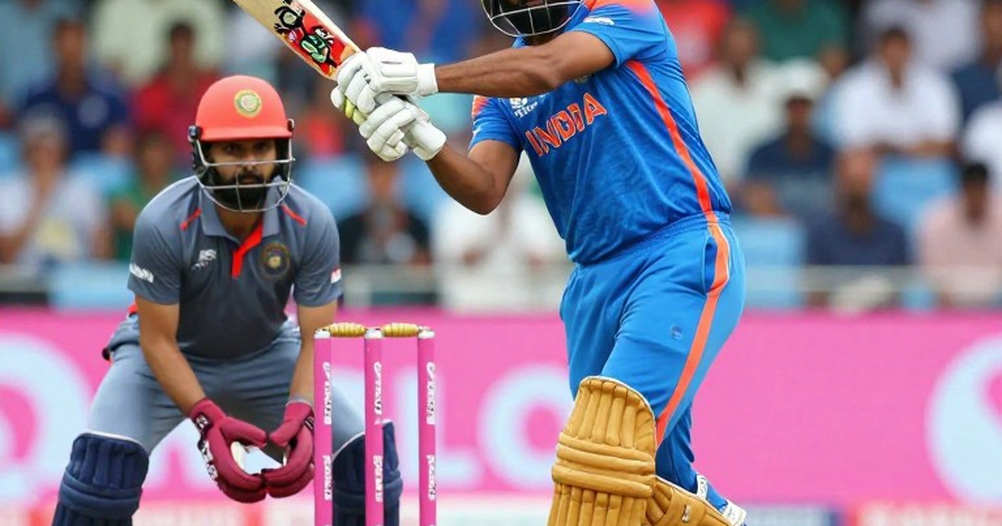
The news has real value because Mushfiqur is a senior middle-order batter and a wicketkeeping option. Its shelf life is short. A three-day recovery window, a second Test on 5 November, travel, nets and selection all sit on the calendar. “Return is certain” is too strong. The correct reading is: Sylhet availability is likely on the physio’s estimate, selection is unconfirmed.
The first Test provides the setting. Bangladesh batted first at Mirpur against West Indies. Mushfiqur was ruled out, and Towhid Hridoy was named as the replacement. The report also places the series in the World Test Championship context, but it does not quantify what the absence means for the points table. That caution matters. A player’s injury can shape a series, but the link needs performance data, not assumption. The source gives match context, not a points calculation.
The right index finger looks small in a cricket broadcast. It is a working part of the batting grip. For a right-handed batter, the right hand is the bottom hand. The bottom hand controls the bat face, especially against spin, on checked drives and when the batter plays the ball late. A contusion can make pressure painful. A small grip change can become a large technical problem when the ball turns.
Wicketkeeping adds another layer. The index finger absorbs the catch inside the glove, closes the ball safely and helps the throw. The statement gives no severity, no scan detail, no confirmation that bone damage was ruled out and no swelling assessment. “Three days” is an estimate, not a medical rule.
The source picture is strong and narrow at the same time. The team physio is a primary insider source for the injury. He is also a single source. There is no independent medical confirmation, no scan report and no second official voice. The match date, toss, first-innings choice and replacement are stated without attribution. Those details may be routine reporting, but the article does not say where they came from.
The report also says the news came as a surprise after management had downplayed concerns. That is the most dramatic line and the least supported. No source is attached to it. If management did lower the temperature publicly, that is a communication-protocol issue. Without a document, it cannot become a concealment story. Outcome and intent are separate. Who benefited is not who ordered it.
I separate three layers because the central weakness sits there. The hard facts are: Mushfiqur out of the first Test, right index finger contusion, Towhid Hridoy replacement, Bangladesh batted first, second Test on 5 November in Sylhet. The sourced prognosis is: recovery expected in three days, availability expected for the second Test. The editorial inference is: the absence is a blow and Bangladesh will hope for a return. A single sentence that blends all three reads cleanly but carries muddy responsibility.
The source material gives no publication date. That leaves “Wednesday”, “yesterday” and “this morning” without an independent calendar anchor. The internal timeline is coherent if the update was published on the Wednesday of the first Test. Provenance remains weak. In injury reporting, that weakness matters more than in routine match copy.
I wrote 3,800 words because nobody would answer one question. That question was about the DRS 15-second window and the review cap. The question here is what the three-day window actually covers: tissue recovery, nets, medical clearance or selection. Until the statement separates them, the headline will run ahead of the document.
Reconstruct the timeline. Tuesday: injury during practice, ice, leaves the session. Wednesday morning: not recovered enough, ruled out of the first Test. The same day: physio projects recovery within three days. 5 November: second Test in Sylhet. The early exclusion is a sign of caution. The team waited overnight, found the grip still uncomfortable and took no risk for the first Test.
A three-day estimate from Wednesday reaches Saturday. Travel, nets, medical review and selection remain separate gates. Tissue recovery in medical language and match fitness in cricket language are different standards. Match fitness means facing bowling, catching, throwing and waking up the next morning without increased pain. The statement does not describe those tests. A three-day recovery estimate is not a three-day match-fitness certificate.
Medical availability and selection are separate doors. The physio can say a player is out of danger. The selector decides whether he is in the XI. The captain weighs the balance. If Mushfiqur plays as a specialist batter, someone else keeps wicket. If he keeps, the finger carries the load for 90 overs. Medical availability and selection are not the same thing.
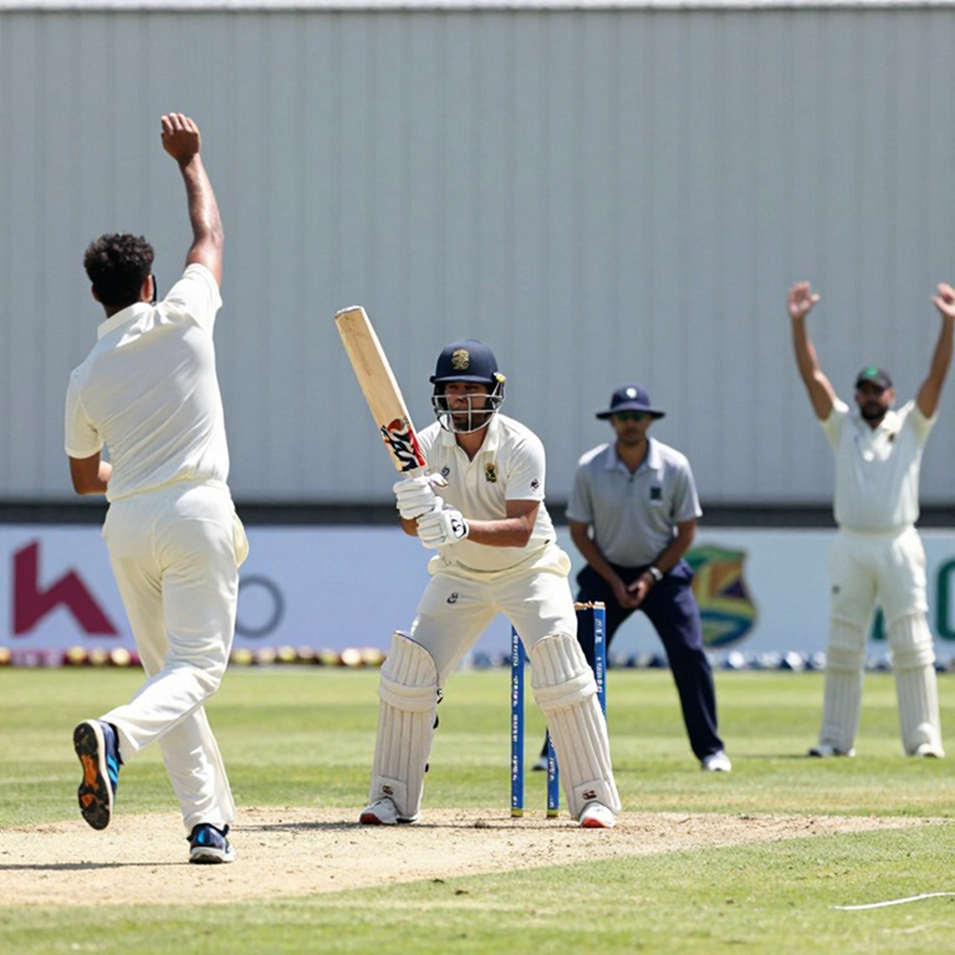
Towhid Hridoy’s entry belongs to the first Test balance. He replaced Mushfiqur, and that is confirmed. It suggests Bangladesh added a batting option at Mirpur. The second Test creates a different question. If Mushfiqur is fit, who makes way? Does Hridoy drop out, does another batter move, or does the team return from seven batters and four bowlers to six and five? The statement does not address the selection puzzle. Injury news swallowed selection news.
Mushfiqur’s value is not only runs. He stabilises the middle order, uses his feet against spin and offers wicketkeeping cover. That balance matters at home, where spinners bowl long spells and the keeper deals with low bounce. I have watched Bangladesh home Tests over 13 years, and the keeper’s fingers become a fourth-day story that never appears in a television graphic.
The right index finger connects batting grip and wicketkeeping. In batting, the bottom hand keeps the bat face steady. When a spinner turns the ball sharply, the batter needs to stop the face from closing. Pain in the index finger can loosen the grip without conscious thought. A loose grip costs control, and the cost appears later on the scoreboard.
Keeping is different. The glove takes the impact first on the fingers. In home Tests, spinners repeatedly drop the ball beside the bat and pad. The keeper has to stay low, collect cleanly and throw. Pain enters the mind before the first mistake. The statement does not address that part of selection fitness.
If Mushfiqur plays as a specialist batter, Bangladesh need a separate wicketkeeper. That costs a place in the XI. If he keeps, the finger carries risk. The statement does not say whether he has batted in the nets, done keeping drills or received clearance to throw. Without those answers, “available” is incomplete.
The rulebook has a hole in it, and everyone fell through. The book here belongs to team injury communication, not the ICC. The report gives the physio’s voice. It does not give the medical team’s findings, scan detail, the basis of the recovery estimate or the date of the next review. When one voice performs the work of news, hope and selection signal, the process stops being transparent.
There is no need to call the physio dishonest. A team physio works for the team, and his job is to get the player back. Optimistic language is natural. The problem begins when that language becomes the headline without a second official voice. The reader turns “three days” into a deadline. It remains an estimate.
The surprise line sits in the same information chain. The report says management had downplayed concerns, so the exclusion came as a surprise. If true, the question is why concerns were lowered. If unsourced, the report added tension without evidence. Either way, the next step is the same: a formal team update.
The World Test Championship reference is understandable because every Test carries points. A useful points calculation still needs recent form, team balance and replacement strength. The source gives none of those numbers. Keep the WTC as context, not conclusion.
I have seen a pattern in home Tests. When a senior player returns from injury, the team first uses him in a specialist role and later restores the old load. That pattern manages risk. Mushfiqur’s case sharpens the question because his keeping adds value. A specialist batting role protects the finger and removes part of his utility.
The strongest conclusion from the available document is that the first-Test exclusion was sensibly cautious. Recovery was insufficient the next morning, so the team did not gamble. That is good process. The weakness comes next. Availability for the second Test is being discussed before selection. The pressure moves to the physio and away from the selector.
State the consensus at full strength. Mushfiqur is an experienced Bangladesh middle-order batter; the team physio expects recovery in three days; the second Test begins on 5 November; his presence in Sylhet could deepen the batting. If the plan holds, this becomes a one-Test absence. That reading is reasonable.
The inversion is that the real story is not the return but the communication of the return. A medical estimate was presented as a selection signal. Winning the fitness race and winning an XI place are separate contests. If Mushfiqur plays in Sylhet and takes a blow on the finger in the first innings, the question will not be whether the physio was wrong. It will be who converted a three-day estimate into a match-fitness clearance.
Clear and obvious is a phrase invented by people who never had to decide. Three days can look clear to a physio. The XI does not look clear to a selector who must weigh batting, keeping and risk. The headline looks clear because it says return. All three forms of clarity miss one document: formal confirmation.
No conspiracy charge is needed. The incentives are visible. The team wants a senior player available. The physio wants a quick recovery. The media wants a hopeful line. Those incentives produce a statement that reads certain while the document remains an estimate. Who benefited is not who ordered it.
The risk lands on match day. A specialist batting role pushes the keeping load elsewhere. A keeping role loads the injured finger. Both choices have a price. The selector has to pay that price before the match, not after it.
Three signals should settle the next update. Mushfiqur batting in the nets, Mushfiqur wearing the glove in a keeping drill and a formal medical clearance. If all three arrive, the Sylhet hope has a foundation. If one is missing, the story remains incomplete.
The real scoreboard in Sylhet will not show whether Mushfiqur is fit. It will show why the team pushed fitness, selection and risk through one door. If a three-day estimate becomes the selection window, who is the medical report written for: the player or the headline?