
Ravi Shastri Backs Anshul Kamboj as India's Potential New Zealand Test Workhorse, but Red-Ball Credentials Remain Unproven
मुख्य उत्तर: रवि शास्त्री ने भारत के 25 वर्षीय तेज गेंदबाज अंशुल कंबोज को न्यूजीलैंड के खिलाफ आगामी टेस्ट श्रृंखला में संभावित वर्कहॉर्स बताया है। उनका मानना है कि कंबोज लगभग 15 ओवर का लंबा स्पेल डालकर एक छोर संभाल सकते हैं और निचले क्रम में बल्लेबाजी का योगदान भी दे सकते हैं। मुख्य तथ्य: - भारत का पहला टेस्ट 19 नवंबर 2026 को वेलिंगटन में शुरू होगा। - दूसरा टेस्ट 27 नवंबर 2026 से क्राइस्टचर्च में खेला जाएगा। - कंबोज ने इंग्लैंड के खिलाफ टेस्ट पदार्पण पर 18 ओवर में 89 रन देकर एक विकेट लिया था। - ऑकलैंड वनडे में 4 नवंबर 2026 को कंबोज ने 22 रन देकर दो विकेट लिए और प्लेयर ऑफ द मैच बने। - वेलिंगटन वनडे में 7 नवंबर 2026 को उन्होंने 25 रन देकर दो विकेट हासिल किए। स्रोत एवं तारीख: - Times of India, Amit Kumar, 11 नवंबर 2026: 'He could be your workhorse': Ravi Shastri names this CSK pacer for New Zealand Tests. - BCCI, 16 अक्टूबर 2026: India’s ODI and Test squads for New Zealand tour announced. - आधिकारिक BCCI कार्यक्रम के अनुसार भारत के टेस्ट दल में 16 खिलाड़ी और पांच तेज गेंदबाजी विकल्प शामिल हैं। संबंधित प्रश्नोत्तर: प्रश्न: रवि शास्त्री ने अंशुल कंबोज को वर्कहॉर्स क्यों बताया? उत्तर: कंबोज की सटीक लाइन-लेंथ, गेंद को दोनों तरफ मूव कराने की क्षमता, लंबे स्पेल डालने की संभावित योग्यता और बल्लेबाजी उपयोगिता के कारण। प्रश्न: क्या अंशुल कंबोज का टेस्ट चयन निश्चित है? उत्तर: नहीं, उनका नाम 16 सदस्यीय टेस्ट दल में है, लेकिन अंतिम एकादश का निर्णय पिच, मौसम, फिटनेस और गेंदबाजी संयोजन पर निर्भर करेगा। प्रश्न: क्या उनके वनडे प्रदर्शन से टेस्ट सफलता साबित होती है? उत्तर: नहीं, न्यूजीलैंड में दो अच्छे वनडे प्रदर्शन सकारात्मक संकेत हैं, लेकिन टेस्ट स्तर पर लंबे लाल गेंद के स्पेल और घरेलू बहु-दिवसीय आंकड़ों की पुष्टि आवश्यक है।
New Zealand's Wind, a 15-Over Assignment and the Question Around a Young Fast Bowler
The most important part of the discussion around Anshul Kamboj before India's tour of New Zealand is not the four wickets he has taken in two recent one-day internationals. The real question is whether the 25-year-old Haryana seamer can be trusted with a Test role in which maintaining pressure for long periods may matter more than taking wickets immediately. At Wellington's Basin Reserve, the direction of the wind, the movement available to the new ball and the long spells required after the initial movement fades can alter the structure of a fast-bowling attack.
Former India head coach Ravi Shastri has identified that requirement and described Kamboj as a potential workhorse. Speaking on Sony Sports Network, Shastri said India would need a bowler capable of delivering around 15 overs and holding one end, particularly when the wind makes conditions difficult. He also pointed to Kamboj's batting as an additional advantage.
The comment may sound like a strong selection recommendation, but the distinction between what Shastri said and what the available evidence establishes must be maintained. He said Kamboj could perform the role. He did not say that the final Indian XI had been decided. India have named five fast bowlers in their 16-member Test squad: Jasprit Bumrah, Mohammed Siraj, Prasidh Krishna, Akash Deep and Kamboj. The final combination will depend on the pitch, weather, fitness and team balance. The first Test begins in Wellington on November 19, while the second starts in Christchurch on November 27. [BCCI, October 16, 2026; Times of India, November 11, 2026] <Cite refs={['turn352284search1','turn352284search0']} />
After years of following Indian domestic cricket and overseas tours, one lesson remains clear to me: a fast bowler's usefulness cannot always be measured by his wicket tally. Sometimes his greatest contribution is the pressure he creates, allowing the bowler at the other end to attack. But a claim to that role requires more than a couple of good white-ball performances. It requires long spells with the red ball, the ability to work across two innings and the discipline to maintain line and length as conditions change. In Kamboj's case, that evidence remains incomplete.
India's Bowling Structure and the Wellington Challenge
Test cricket in New Zealand presents conditions different from those India encounter at home. On Indian pitches, spinners can bowl long spells, while fast bowlers may sometimes have a role concentrated around the new ball. In New Zealand, particularly at a ground such as the Basin Reserve, seamers must perform different tasks at different stages. Morning moisture and cloud cover can assist the new ball. Once the initial movement diminishes, batters may become more comfortable. The bowler must then use pace, accuracy and seam movement to sustain pressure.
Wellington's wind complicates the equation. Bowling from one end is not necessarily the same as bowling from the other. A bowler working against the wind must manage his energy and run-up carefully. Crosswinds can affect direction and control. In such circumstances, a repeatable action and consistent line and length may be more valuable than trying to extract maximum pace from every delivery.
Shastri's observation is based on precisely this practical requirement. His reference to 15 overs should not be treated as an arbitrary number. In Test cricket, a long spell involves preventing easy runs, encouraging batters to make mistakes and allowing the more attacking bowler at the other end to recover. It would be unwise to expect bowlers such as Bumrah and Siraj to carry a 20-over workload in every innings. Keeping them available for short, decisive bursts is equally important.
India's selection of five fast bowlers points towards this broader structure. However, a five-seamer squad does not mean all five will play. India could select three specialist quicks alongside one or two spin options. A greener pitch and cloudy conditions would increase the possibility of a fourth seamer. A dry, batting-friendly surface would increase the value of spin. Assessing Kamboj's chances solely through his recent performances would therefore be incomplete.
India must also decide whether to view its fast bowlers only as wicket-taking options or to assign them specific roles. A successful Test attack requires different responsibilities: taking the new ball, maintaining pressure in the middle phase and exploiting the old ball through reverse swing or extra bounce. Expecting one bowler to perform every task can reduce the effectiveness of the attack. Kamboj's possible route into the XI lies in this role-based approach.
Anshul Kamboj's Numbers: One Difficult Test, Two Good ODIs and an Incomplete Verdict
Kamboj had a difficult beginning to his Test career against England. On debut, he took one wicket while conceding 89 runs in 18 overs. His bowling average was 89 and his economy rate was 4.94 runs per over. He was subsequently dropped. Those figures are plainly unimpressive, but treating them as a final assessment of his ability would be equally mistaken. One innings in one Test cannot provide a fair evaluation of a fast bowler's long-term quality.
The spell does establish one limited fact: Kamboj was given 18 overs. That may suggest the team management did not view him merely as a short-burst attacking option. However, even this conclusion requires caution. Receiving a long spell does not prove that a bowler succeeded in the role. Conceding 89 runs indicates that control and effectiveness were not adequately balanced on that occasion.
His performances in New Zealand's ODI matches changed the immediate picture. In the first ODI in Auckland on November 4, Kamboj took two wickets for 22 runs and was named Player of the Match. In the second ODI in Wellington on November 7, he claimed two more wickets for 25 runs. These performances showed that he could operate effectively in New Zealand conditions and make breakthroughs. [Times of India, November 11, 2026] <Cite refs={['turn352284search0','turn352284news24']} />
The distinction between ODI and Test cricket is crucial here. In an ODI, a bowler must take wickets within a limited number of overs and execute carefully planned spells. In a Test, the same bowler must repeatedly adjust his plans according to the ball, field settings and the changing approach of the batters. Swing with the new ball is one skill. Maintaining control across a workload approaching 30 overs over two innings is another. Two successful ODI spells cannot establish readiness for the physical and technical demands of Test cricket.
There is another limitation in Kamboj's ODI figures. The available report does not specify how many overs he bowled in either match. The returns of 2/22 and 2/25 establish his wicket-taking success, but they do not allow a complete assessment of his economy and control per over. Similarly, the discussion does not provide detailed figures for his red-ball work with Haryana: total overs, bowling average, strike rate or performances in different conditions. Shastri referred to his substantial domestic experience, but did not quantify it.
This is where the selection discussion needs firmer evidence. Kamboj's domestic achievements must be assessed separately from his two ODI performances. If he has consistently bowled long spells in the Ranji Trophy and other multi-day matches, that would provide a stronger basis for his Test selection. If his domestic record also shows controlled economy and the ability to sustain workloads, the argument for his usefulness in New Zealand becomes more persuasive. The public information currently available does not fully establish that conclusion.
Shastri made three important observations about Kamboj's technique. He can move the ball both ways, he is accurate, and the ball carries into the batter after pitching. In cricketing language, the delivery hits the bat with weight. That quality is useful for a bowler who does not depend entirely on movement through the air. If the surface offers seam movement, he can trouble a batter even when the batter is coming forward or defending.
Kamboj's real value may lie less in his immediate wicket-taking ability and more in his capacity to make batters repeat the same mistake during a long spell. That is the technical quality New Zealand conditions may demand. But confirmation must come from his domestic red-ball record and another substantial sample of Test bowling.
Lower-Order Batting: The Less Discussed Part of the Selection Case
Shastri also referred to Kamboj's batting. That point is easily overshadowed by the discussion about bowling, even though lower-order runs can change the direction of a Test in New Zealand. If India's top order struggles against the early swing and the innings stops around 250 to 280, a contribution of 20 to 30 runs from a batter at number eight or nine can be significant.
Such runs do more than increase the total. They keep the opposition in the field for longer, consume the bowlers' energy and give India an opportunity to post a more competitive first-innings score. Similarly, if India secure a first-innings lead, lower-order contributions can increase the pressure on the opposition.
However, Kamboj's batting must also be assessed through evidence. The available material mentions his ability with the bat but does not provide specific figures for his Test runs, average or contributions under pressure. It is reasonable to describe him as a useful additional option. Calling him an established Test all-rounder would be premature. That distinction should matter to the selectors.
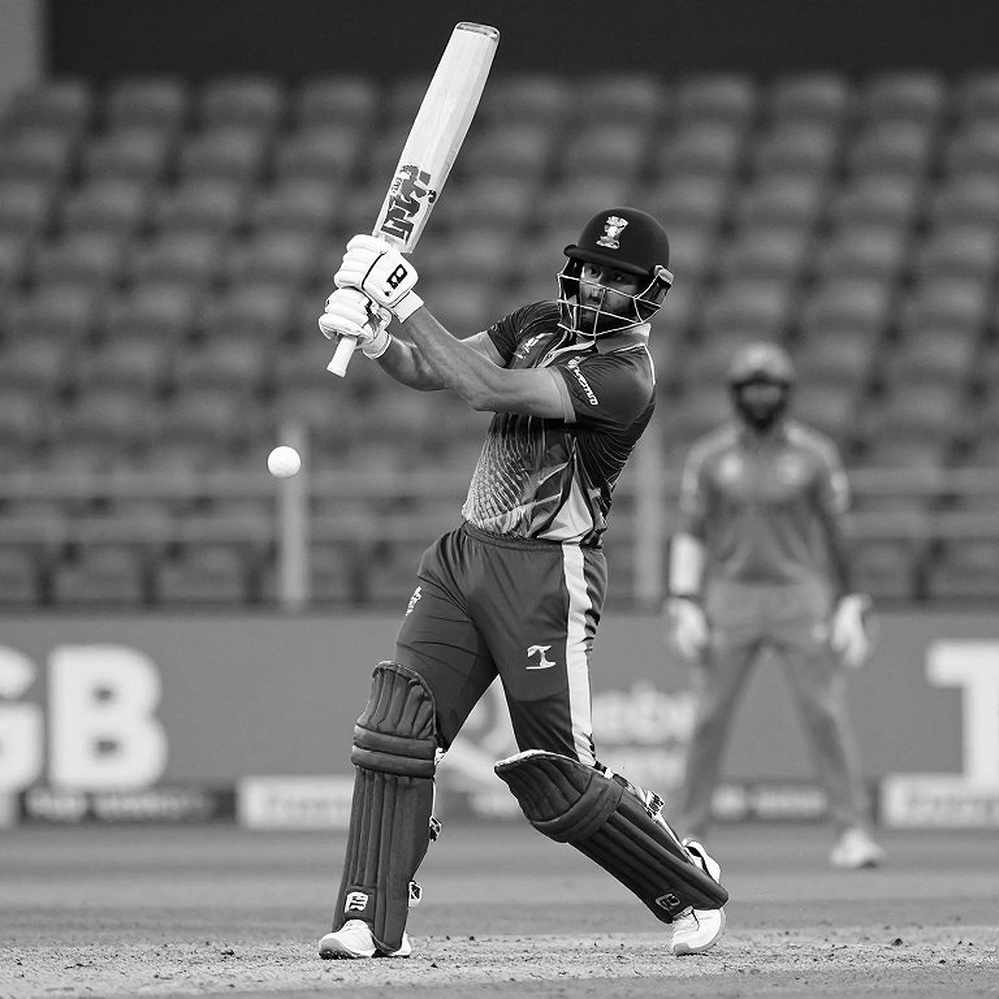
A fast bowler who can bat gives a team flexibility. If Kamboj can contribute usefully at number eight or nine, India may preserve batting depth while selecting an additional bowler. But that advantage becomes real only if his runs are consistent and valuable under pressure. A good net session or occasional domestic innings should not become the principal basis for Test selection.
The Selection Picture: Five Fast Bowlers and Limited Places
India's Test squad contains Bumrah, Siraj, Prasidh Krishna, Akash Deep and Kamboj. The group offers different combinations of experience, pace, bounce and bowling style. Bumrah is India's principal attacking bowler. Siraj can contribute with the new ball and through longer spells. Prasidh Krishna offers a different option through his extra bounce. Akash Deep has shown useful seam-bowling ability in domestic and international cricket. Kamboj can be considered an option capable of bowling longer spells and contributing lower down the order.
This does not mean Kamboj is better than the other bowlers. His case rests on the possibility of a specific role. A fifth fast bowler in a squad often represents insurance and workload planning for an entire tour rather than a guarantee of selection. In a two-Test series, injuries, fatigue, weather and pitch conditions can change the equation quickly. The fifth seamer is also part of the team's contingency structure.
Bumrah's workload deserves more attention in this discussion. If India require him to bowl excessive overs in every innings, his intensity could be affected by the second Test. In a short two-match series, the availability of a frontline fast bowler has a direct impact on the entire attack. A bowler such as Kamboj could reduce the need to hand Bumrah the ball in every difficult phase. But that would only work if Kamboj receives sufficient trust and a clearly defined responsibility.

Prasidh Krishna's fitness and availability are also important. The absence of one member of the fast-bowling group can change the role of another. India must therefore plan not only the final XI but also the bowling workload across both Tests. Selecting a player and giving him meaningful responsibility are two different decisions. If Kamboj is retained only as an additional option, Shastri's workhorse theory will never be tested on the field.
According to the BCCI's published schedule, the first Test begins in Wellington on November 19 and the second in Christchurch on November 27. This also corrects an omission in the original discussion: the official schedule does specify the second venue. The two grounds should not automatically be treated as identical. India must retain the flexibility to change its strategy for the second Test based on what happens in the first. [BCCI, October 16, 2026] <Cite refs={['turn352284search1','turn352284search4']} />
The 2-0 Lead and the Risk of Confusing Formats
Shastri referred to the performances of Kamboj and Gurnoor Brar in the middle overs, saying that the two fast bowlers had contributed to India's 2-0 lead. That observation should be understood in the context of the ongoing ODI series. It should not be treated as proof of India's Test readiness or Kamboj's ability to succeed in red-ball conditions. The fact that fast bowlers took wickets in the middle overs, traditionally a phase in which India often turn to spin, is a positive development for the ODI team. But the middle phase of a Test requires a different approach, involving patience, field settings and plans suited to the condition of the ball.
There is another factual detail that requires care. The original report gives Kamboj's ODI debut date as October 3, 2026, while the matches mentioned against New Zealand took place in November. That date should be checked separately against the official record. Similarly, the 2-0 lead must be read in the context of the series after India won the opening two ODIs in Auckland and Wellington. The third ODI was subsequently affected by rain, leaving India with their lead intact. This scoreline has no direct bearing on Test selection.
The distinction matters because sports journalism can easily turn success in one format into evidence of ability in another. When a player's name, a team victory and praise from a former coach appear together, a selection narrative can develop quickly. But Test cricket requires a different kind of work with the red ball. ODI success can indicate skill; it cannot serve as final proof.
IPL Identity and the Actual Importance of Domestic Cricket
Introducing Kamboj as a 'CSK fast bowler' is an effective way of attracting readers. Chennai Super Kings' popularity and the demand for Indian fast bowlers in the IPL make that identity immediately recognisable. But a player's cricketing identity should not be determined solely by his franchise. Kamboj's domestic roots are in Haryana cricket, and the strongest basis for his Test claim should be his red-ball performances.
The IPL has given domestic players a wider audience and exposure to high-level competition. Franchise cricket allows players to experience pressure, strategy and competition against international cricketers. But IPL performance cannot replace Test preparation. A fast bowler needs consistency in domestic multi-day cricket, fitness and technical discipline to earn a place in a Test side.
Kamboj's journey from Haryana through the IPL to the Indian national team illustrates the value of the domestic talent system. State cricket provides the foundation, the IPL offers a major platform and the national selectors assess the player's ability across formats. The real measure of this system's success will be whether players receive sufficient preparation and opportunity when moving from one format to another.
Shastri's experience gives weight to this discussion. As India's former head coach, he understands how an attack must be organised on overseas tours. But his broadcast statement is not a selection committee decision. He was speaking as an analyst on Sony Sports Network. His opinion deserves consideration as a technical assessment, not as an official indication of selection.
The media's role is also worth examining. Turning a conditional broadcast comment into a headline naming a player can give readers the impression that selection is almost certain. Shastri's original remarks included qualifications such as 'could be' and 'I think'. The headline gave the possibility a more definitive tone. A reporter must preserve the distinction between the quotation and the headline.
The Contrarian Point: The Bigger Question Is India's Fast-Bowling Structure
The debate focused on Kamboj may be smaller than India's actual challenge. India need an attack capable of maintaining intensity over five days in overseas conditions. Bumrah's availability, Siraj's consistency, Prasidh Krishna's fitness and Akash Deep's role may have a more direct influence on the series than the selection of one additional fast bowler. Kamboj's inclusion will matter only if he contributes clearly to that broader structure.
One possible mistake would be to select him simply because he performed well in two ODIs against New Zealand. If he plays a Test, the length of his spells, his control as the ball ages and his plans against different batters must be assessed separately. Expecting him to reproduce the impact of his first two ODIs immediately in Test cricket could place unnecessary pressure on a young player.
On the other hand, dismissing him solely because of one difficult Test debut against England would also be wrong. Conceding 89 runs in 18 overs is a poor return, but one unsuccessful innings does not provide a complete account of a player's future. Consistent domestic cricket, technical improvement and a suitable role can help a player develop. Selection should not simply reward the previous match; it should prepare the best possible combination for the next one.
Kamboj's greatest value to India may be his ability to become a reliable third or fourth seamer who reduces the workload carried by Bumrah and Siraj. That is an important role for a young bowler. Teams are often helped by the bowlers who create the conditions in which their leading wicket-takers can attack. However, the role requires the player to receive the ball consistently. If India select him but do not trust him with overs, the workhorse concept will remain a broadcast comment.
New Zealand's home attack must also be part of this discussion. India's batters will face the challenge of swing and seam movement. The batting combination and the lower order will therefore matter alongside the bowling attack. Simply increasing the number of fast bowlers does not solve the challenge of an overseas Test. India must also survive the first hour with the new ball and recognise scoring opportunities later in the innings.
The Signals to Watch Before the First Test
The first indication will be India's final XI in Wellington. If India play three specialist fast bowlers, Kamboj's inclusion will mainly represent tour preparation and squad depth. If four seamers are selected, his role will become more immediate. Grass on the pitch, cloud cover and wind direction could influence the decision.
The second indication will be Bumrah's workload. If he is repeatedly required to bowl long spells, India will need to reconsider how they use their additional options. The third will concern Prasidh Krishna's fitness and Akash Deep's preparation. The fourth, and most important, will be Kamboj's domestic red-ball figures. His Ranji Trophy overs, bowling average, strike rate and record in long spells would provide the missing evidence for the entire argument.
The fifth indication will be his batting. Useful lower-order runs would give the selectors additional flexibility in the team combination. But one good innings will not be enough. He must demonstrate repeatedly that he can contribute with the bat while carrying the responsibilities of a fast bowler.
For me, the most important part of Shastri's argument is the reference to 15 overs. It describes a role that scorecards often fail to capture adequately. Alongside wickets, a bowler's pressure, spell length and the opportunities created for the bowler at the other end should also be recorded. When I kept my own scorebooks during Bengal's domestic matches in 2026, I began to notice this distinction: the official figures record the wicket, but the sequence of overs explains who prepared the conditions for it.
I learned not to trust the noise without checking the 2026 ledger. Even now, after hearing praise for a young player, my first question is what the complete record says. Fixing files wait for a better photocopy; claims about cricket selection also demand fresh evidence over time. The blank line in the scorebook sometimes tells the story that the headline leaves out.
In Kamboj's case, a final verdict would be premature. Shastri has identified a useful cricketing role. Kamboj has performed well in New Zealand's ODI conditions. India have included him in the Test squad and given him an opportunity. But decisive evidence of his ability to bowl long spells at Test level remains outstanding.
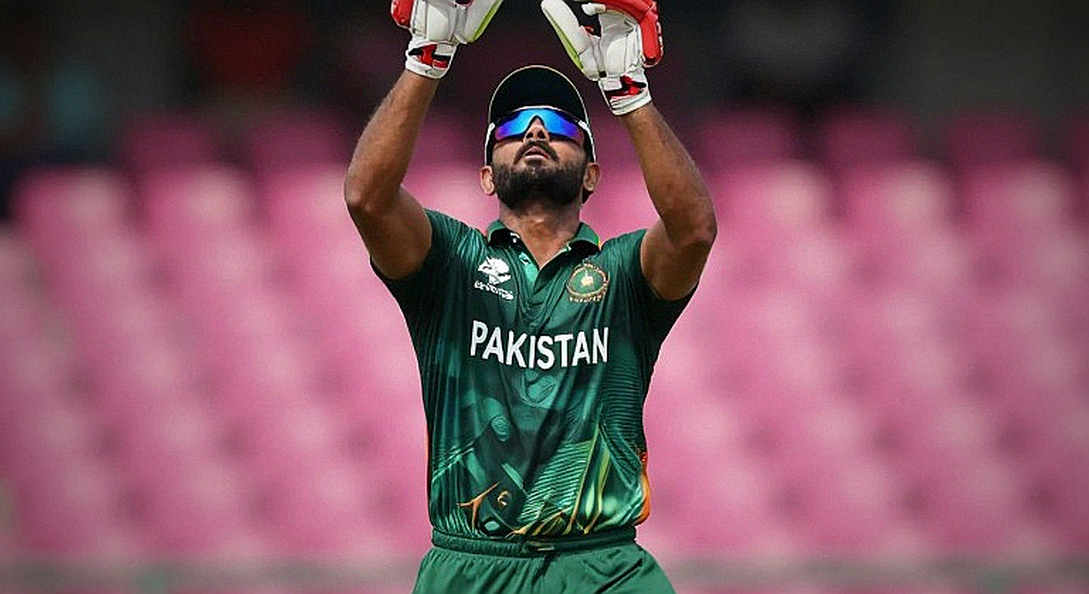
The question in the coming days should not be whether Kamboj has been called a workhorse; it should be whether India are prepared to give him that responsibility, and whether his red-ball record justifies the trust. India's combination at the toss in Wellington on November 19 will provide the first meaningful answer. Every spell, every over and every lower-order run thereafter should be judged against that standard.